Hibiscus Export Documentation from Nigeria: NAQS, Fumigation, NXP and What Mexico Requires
A plain-language checklist of the documents, inspections and treatments that accompany a container of Nigerian hibiscus — and why the Mexico route has its own rules.
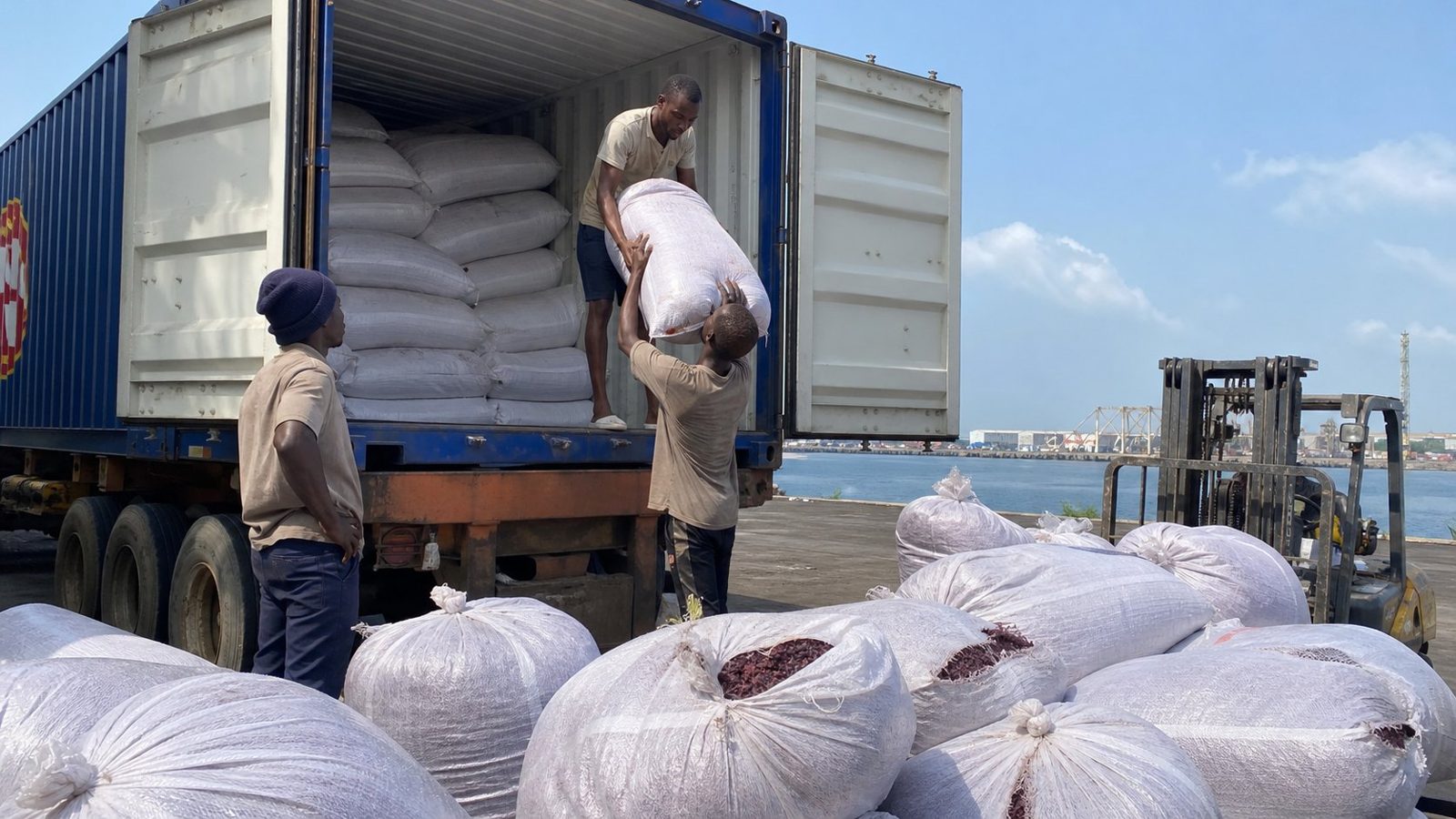
A container of dried hibiscus leaves Lagos with a thick folder of documents. Most of them are standard for any agricultural export; a few are specific to hibiscus, and one destination — Mexico — adds a layer of its own. Here is the full set and what each one is for.
Commercial documents
- Pro-forma invoice — the offer, with grade, specification, quantity, price, Incoterm, packing and payment terms. Becomes the contract when accepted.
- Commercial invoice and packing list — final documents for customs and payment, showing bag counts, net and gross weights, container and seal numbers.
- Bill of lading — issued by the shipping line; the title document under a letter of credit.
- Certificate of origin — from the Nigerian Association of Chambers of Commerce (NACCIMA) or the relevant chamber, required for preferential tariffs and by many customs authorities.
Nigerian regulatory documents
- NXP form — the Nigeria Export Proceeds form processed through the exporter's bank, which registers the shipment and its expected foreign-exchange proceeds with the Central Bank.
- NEPC registration — exporters must be registered with the Nigerian Export Promotion Council; the certificate number appears on export paperwork.
- Pre-shipment inspection — carried out by the government-appointed inspection agent, which issues a Clean Certificate of Inspection (CCI) used for customs clearance and repatriation of proceeds.
Phytosanitary and food-safety documents
- NAQS phytosanitary certificate — the Nigeria Agricultural Quarantine Service inspects the consignment for pests and certifies it meets the importing country's plant-health requirements. For hibiscus this is the single most important document.
- Fumigation certificate — issued by a licensed fumigator for treatment (typically phosphine) of the bagged cargo and/or the stuffed container, stating product, dose, exposure time and date.
- Laboratory certificate of analysis — moisture, ash, microbiology, pesticide residues, heavy metals as the contract requires, from an accredited laboratory.
- Health certificate — some destinations require a certificate from NAFDAC or the relevant authority that the product is fit for human consumption.
The Mexico protocol
Mexico is the largest market for Nigerian hibiscus, and in 2017 it suspended imports after detections of khapra beetle (Trogoderma granarium), a quarantine pest. Trade resumed in 2018 under a bilateral protocol between Mexico's SENASICA and NAQS. In broad terms it requires that hibiscus for Mexico is processed in NAQS-approved facilities, fumigated under NAQS supervision, inspected and sealed before shipment, and accompanied by the phytosanitary certificate with specific additional declarations. Requirements have been refined since, so always confirm the current protocol with NAQS and your Mexican importer's customs broker before contracting. [Owner: confirm the current SENASICA / NAQS protocol steps you follow for Mexico, or state that you ship to Mexico through an approved facility partner.]
What this means for buyers
Ask your supplier for a draft document set before you open a letter of credit, so that the wording matches the credit exactly. Ask specifically who performs fumigation and whether NAQS supervises it. And allow time: NAQS inspection, fumigation exposure and aeration add days to the schedule between stuffing and vessel cut-off.
We prepare complete document sets for every shipment and share drafts in advance. See our export process for where each document fits.
Sourcing dried hibiscus from Nigeria?
Get a written quotation and specification within two business days.
More Insights
Ready to Source Export-Grade Dried Hibiscus from Nigeria?
Tell us your grade, tonnage, packing and destination port. Our export team will prepare a detailed FOB or CIF quotation and a sample plan.