
Exporting Nigerian Hibiscus to the EU, USA and Mexico: Food-Safety and Phytosanitary Compliance
Each major hibiscus market applies its own food-safety and plant-health rules. This guide summarises what the EU, the US FDA and Mexico's SENASICA/COFEPRIS look for, and how we prepare shipments to pass.
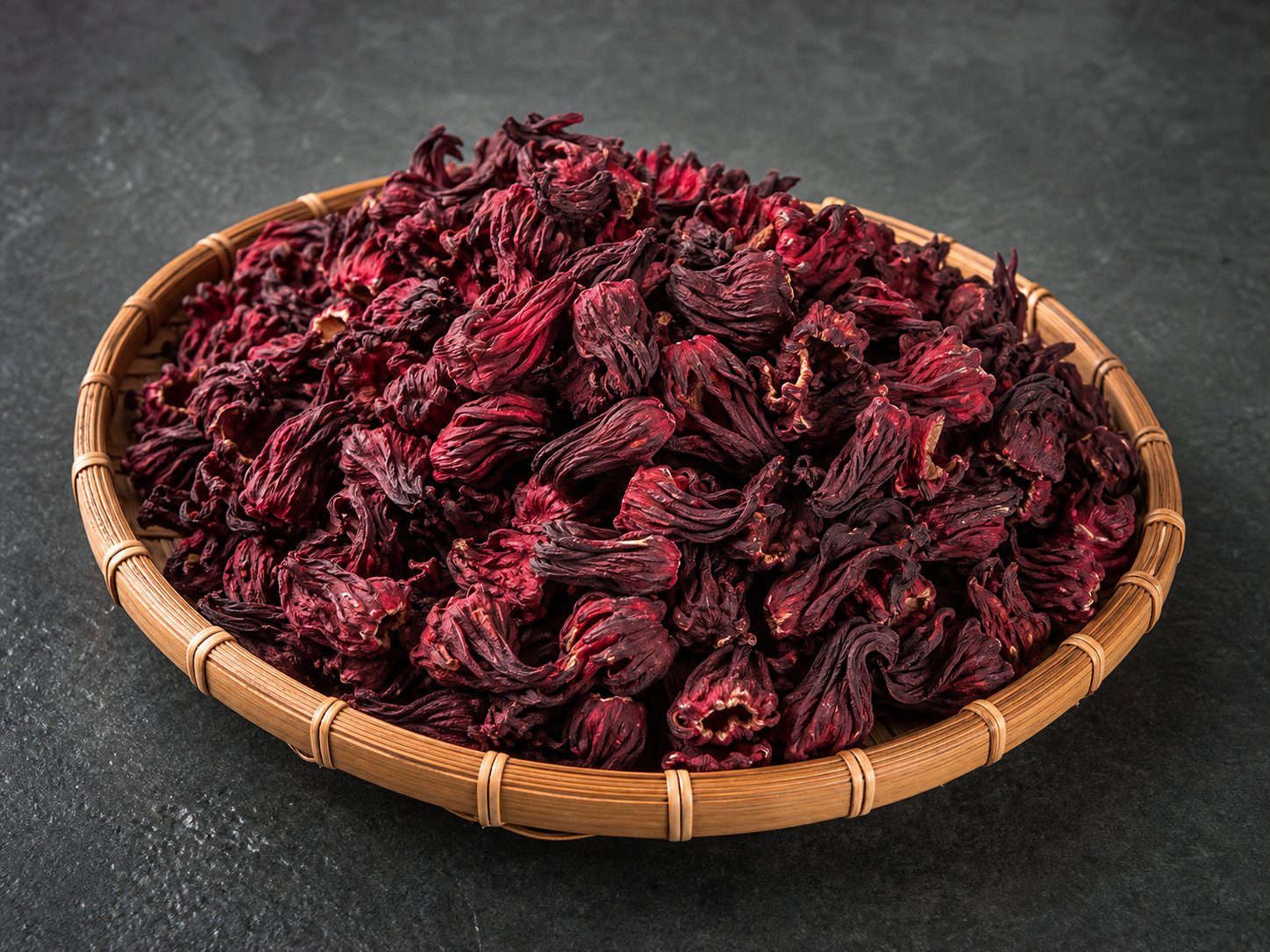
Dried hibiscus is a food ingredient, a plant product and — in the eyes of a border inspector — a potential carrier of pests, residues and micro-organisms. The three largest markets for Nigerian hibiscus approach those risks differently. Here is a practical summary of what each requires and how a well-run exporter prepares for it.
European Union
Hibiscus enters the EU as a herbal infusion ingredient and is subject to the general food law, the pesticide MRL regulation and contaminant limits. Points to watch:
- Pesticide residues: EU MRLs for herbal infusions are strict and many actives common in Nigerian agriculture have default limits of 0.01 mg/kg. A multi-residue screen by an accredited laboratory before shipment is essential.
- Microbiology: Salmonella absent in 25 g; buyers commonly also set limits for total plate count, yeast and mould and E. coli. Steam sterilisation at destination is common for tea use.
- Heavy metals and PAHs: lead and cadmium limits apply; polycyclic aromatic hydrocarbons can be an issue if flowers were dried near smoke.
- Documentation: phytosanitary certificate, certificate of analysis and, for organic claims, a certificate of inspection issued under EU organic rules.
United States
Hibiscus is regulated by the FDA as a food. Requirements include registration of the foreign food facility, prior notice of each shipment, compliance with the Foreign Supplier Verification Program (your importer must verify you as a supplier), and pesticide tolerances enforced by the EPA. USDA APHIS inspects for pests at entry; dried, de-seeded calyces are generally admissible but infested cargo is fumigated or destroyed at the importer's cost. Good manufacturing practice records and a food-safety plan make FSVP verification far easier. [Owner: state whether you hold FDA food-facility registration and provide the number to buyers on request.]
Mexico
Mexico combines plant-health rules (SENASICA) with food-safety rules (COFEPRIS). The plant-health side is the demanding one because of khapra beetle history: Nigerian hibiscus must be processed and fumigated under the NAQS–SENASICA protocol, shipped from approved facilities with NAQS supervision of fumigation and sealing, and accompanied by a phytosanitary certificate with the required additional declarations. Containers found with live insects at Veracruz or Manzanillo face re-fumigation, rejection or destruction. On the food-safety side, COFEPRIS applies microbiology and contaminant limits similar to those above.
How we prepare a compliant shipment
- Source from known aggregators and keep lot traceability back to the collection centre.
- Re-dry to 10–12% moisture and sift in a clean, pest-controlled warehouse.
- Sample each lot for laboratory testing to the destination parameters before bagging.
- Use new PP bags with liners where specified; line the container with kraft paper.
- Fumigate under NAQS supervision, allow full aeration, inspect for live insects at stuffing.
- Prepare the document set in draft for the buyer's review before vessel cut-off.
Regulations change. Before each contract we confirm current requirements with NAQS and with the buyer's customs broker. Read more about our quality assurance or request a quotation for your market.
Sourcing dried hibiscus from Nigeria?
Get a written quotation and specification within two business days.
More Insights
Ready to Source Export-Grade Dried Hibiscus from Nigeria?
Tell us your grade, tonnage, packing and destination port. Our export team will prepare a detailed FOB or CIF quotation and a sample plan.