Hibiscus Flower Exporters in Nigeria

Premium Nigerian Dried Hibiscus, Sifted, Tested and Export-Ready

Renamy Hibiscus Nigeria supplies Grade A whole hibiscus flowers, tea-bag cut, powder and industrial-grade roselle in full container loads — sifted to contract cleanliness, laboratory-tested for every shipment, inspected and certified by the Nigeria Agricultural Quarantine Service and shipped from Lagos with complete export documentation.

  • Grade A, TBC, powder & Grade B
  • 40' HC full container loads
  • Lab-tested & NAQS-certified
  • Mexico, EU & US protocols
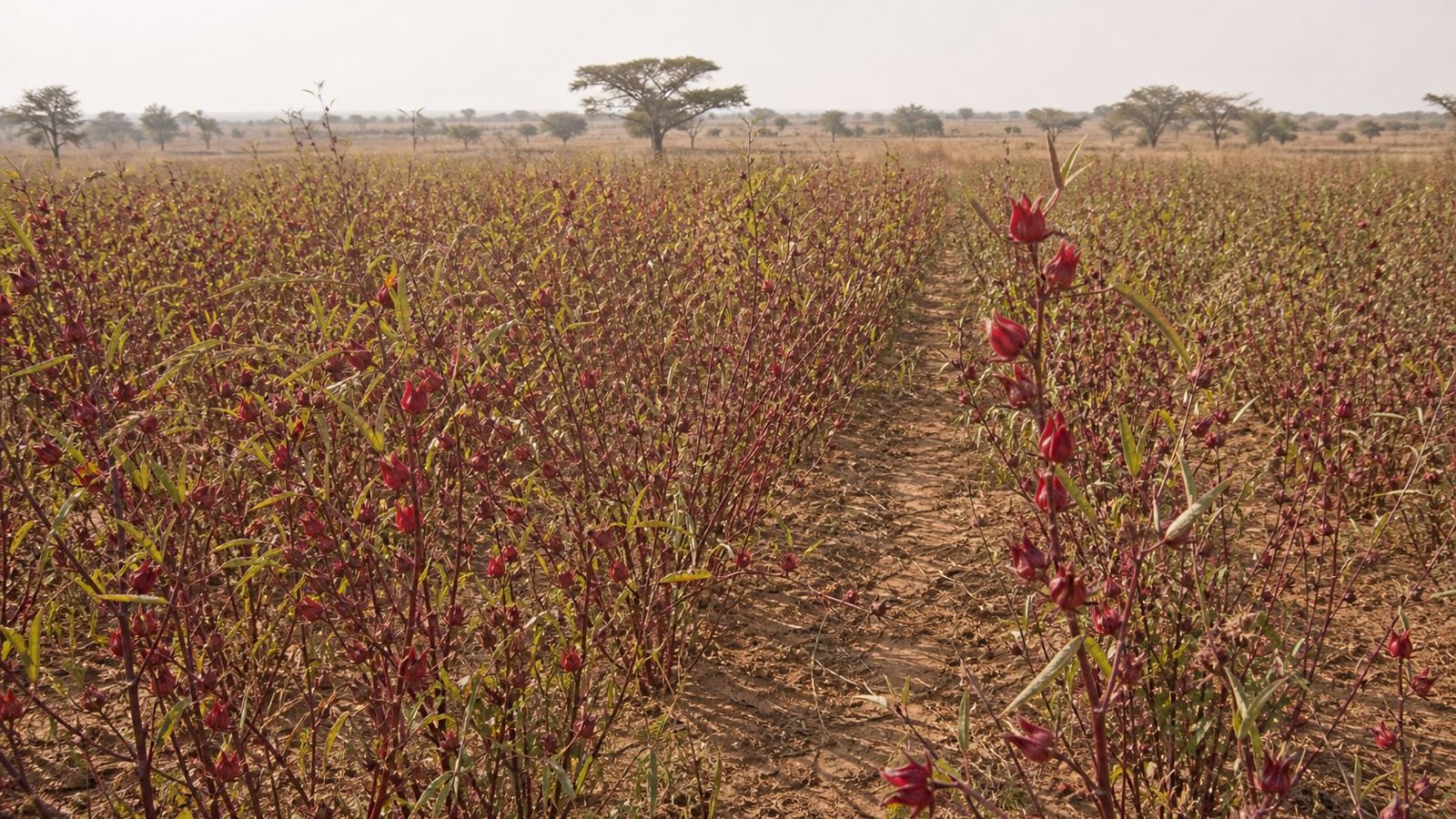
Jigawa, Kano & Katsina OriginDeep red Hibiscus sabdariffa from the northern savannah
Tested Every LotMoisture, admixture, microbiology, pesticides
New PP Bags & Bales20–25 kg bags or 50 kg bales, lined on request
Shipped from LagosFOB, CFR or CIF to your port
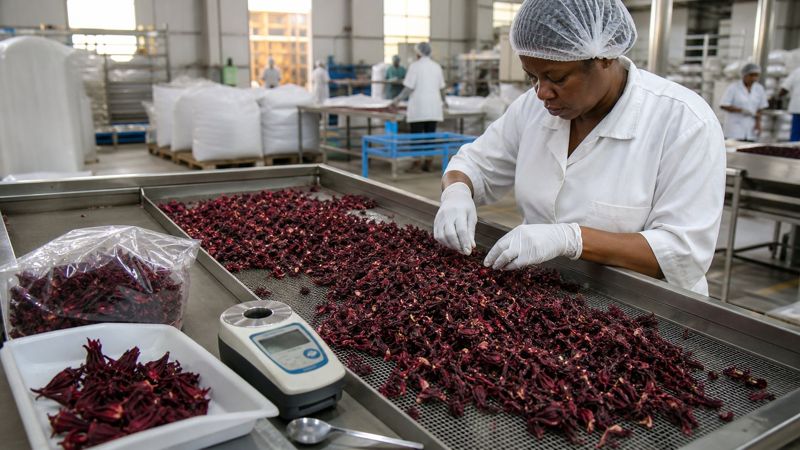
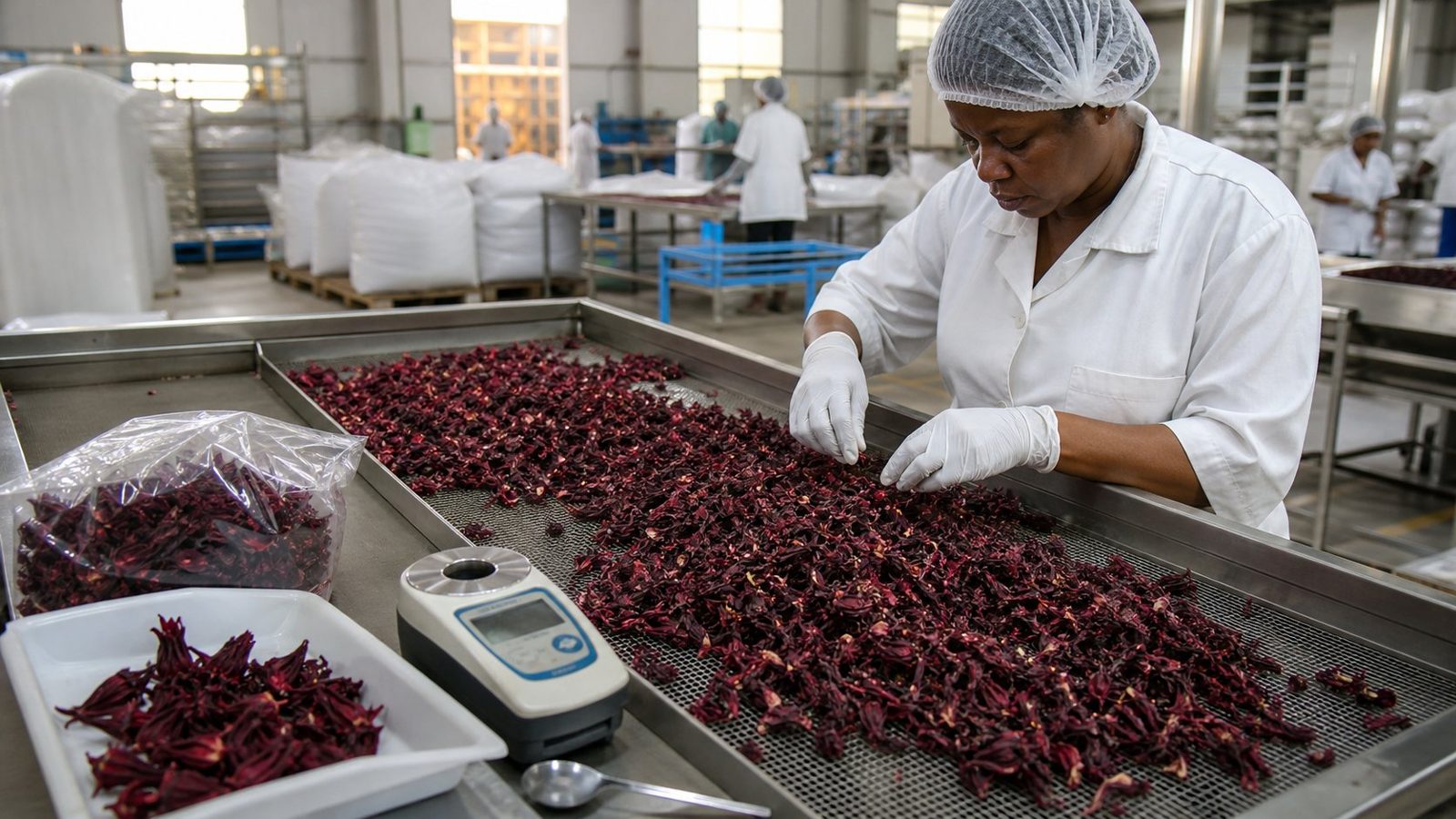
Dried hibiscus calyces being sifted and hand-picked on a stainless-steel sorting table Grade A dried hibiscus flowers close-up
Origin: NigeriaGrown in the far north, sifted and loaded in Lagos
Who We Are

A Hibiscus Export Partner Built Around Consistency

Renamy Hibiscus Nigeria connects the roselle-growing communities of Nigeria's northern states with tea blenders, beverage producers, ingredient houses and extractors who need dependable quality, container after container.

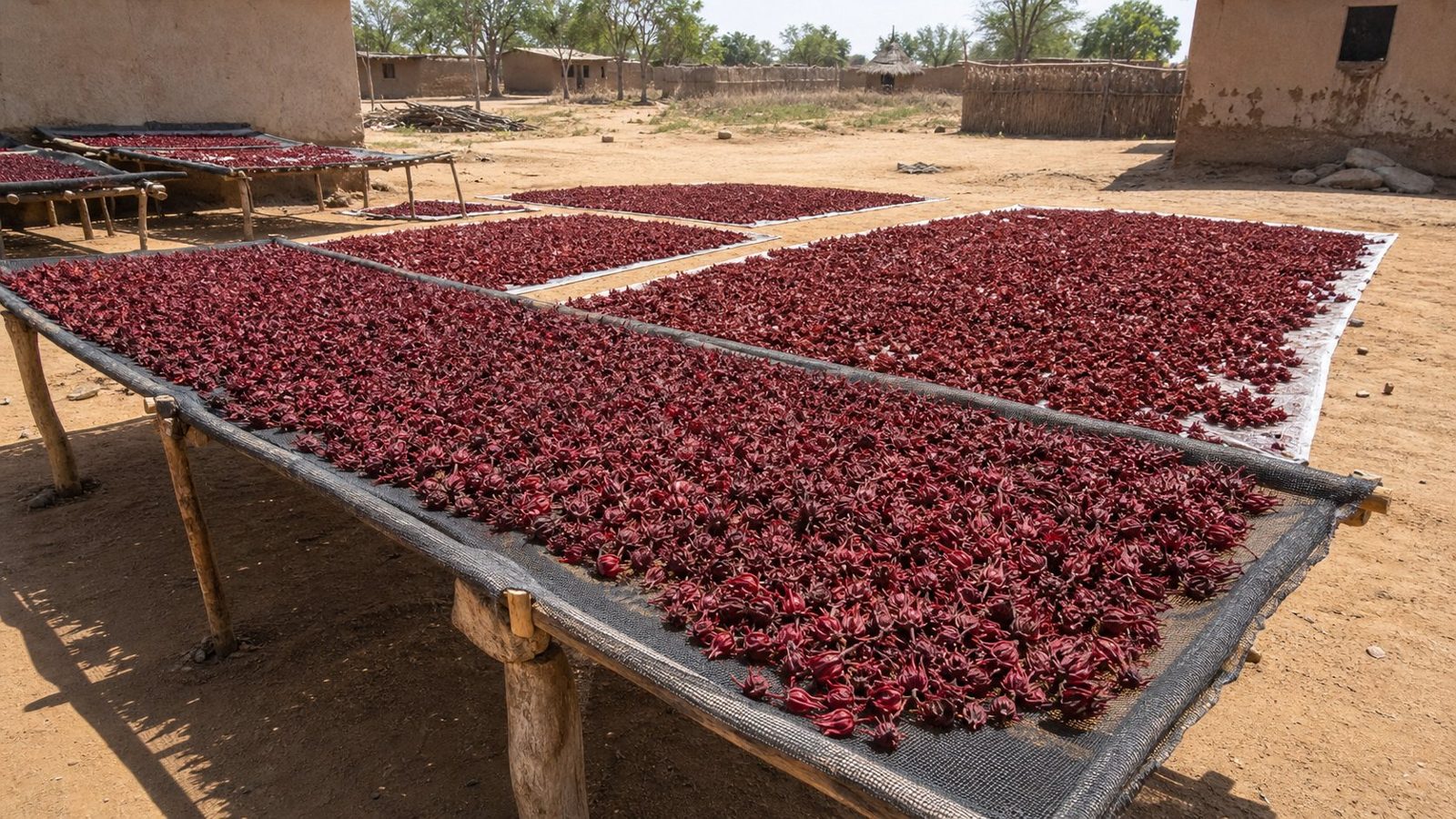
We manage the stages that decide whether a hibiscus shipment performs: buying properly dried calyces from known farmer groups and aggregators, re-drying and sifting them to the cleanliness in your contract, sampling every lot for laboratory analysis, bagging in new PP bags, fumigating under quarantine supervision and preparing the documentation that NAQS, customs, your bank and your border authority require. Our customers deal with one accountable team from enquiry to bill of lading.

  • Grade A, TBC, powder & Grade B
  • Sifting, hand-picking & cutting
  • Lab certificate per shipment
  • Third-party inspection welcome
  • Mexico, EU & FDA compliance support
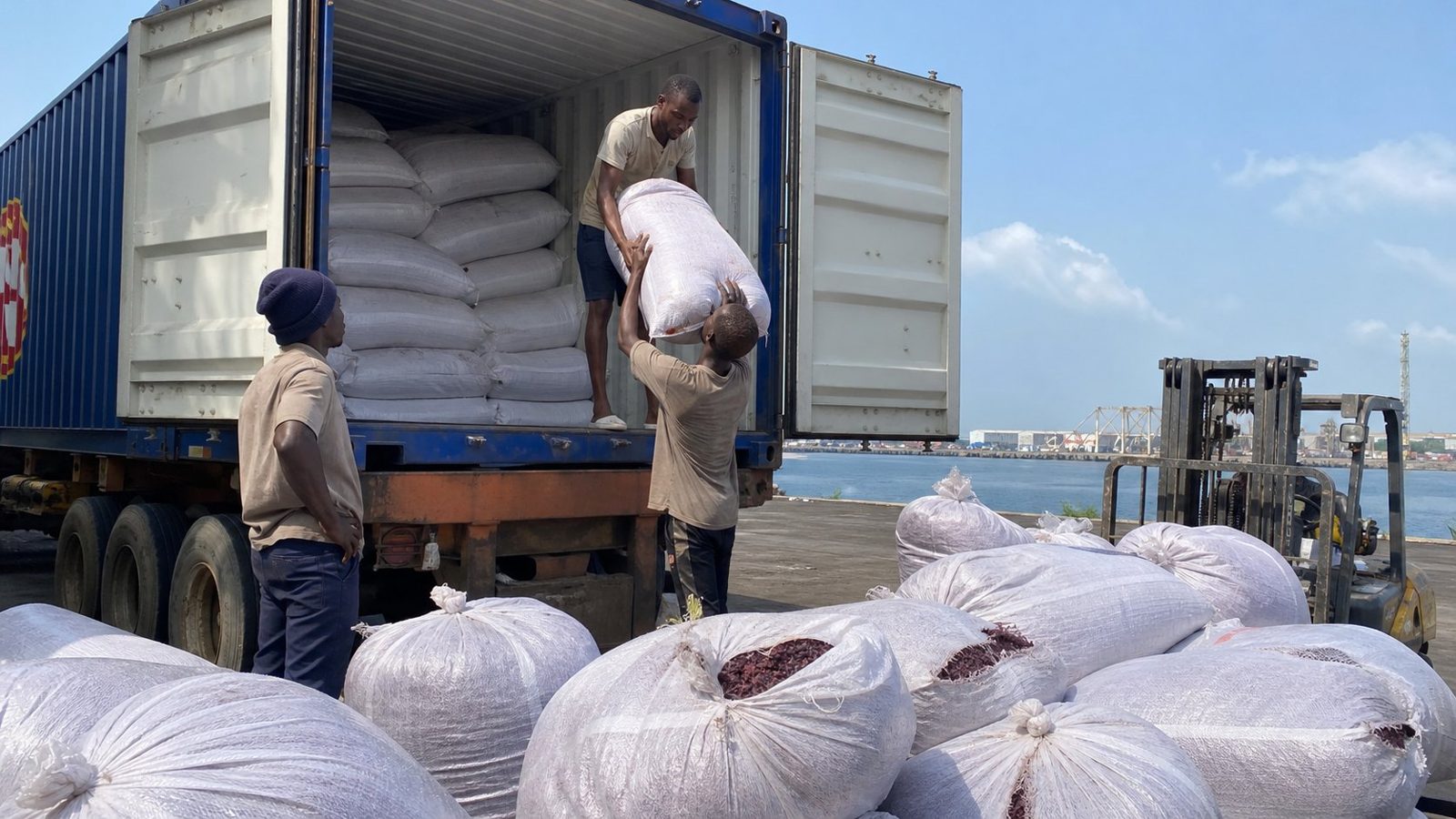
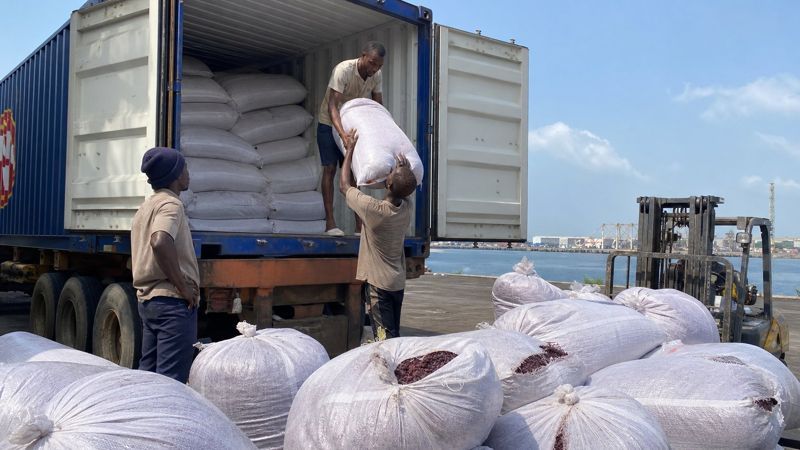
  • Loading photos on every container
Our Export Range

Nigerian Dried Hibiscus by Grade and Use

Four ways to buy Nigerian hibiscus — matched to the needs of tea blenders, agua de jamaica and beverage producers, natural-colour and extraction plants, and ingredient distributors.

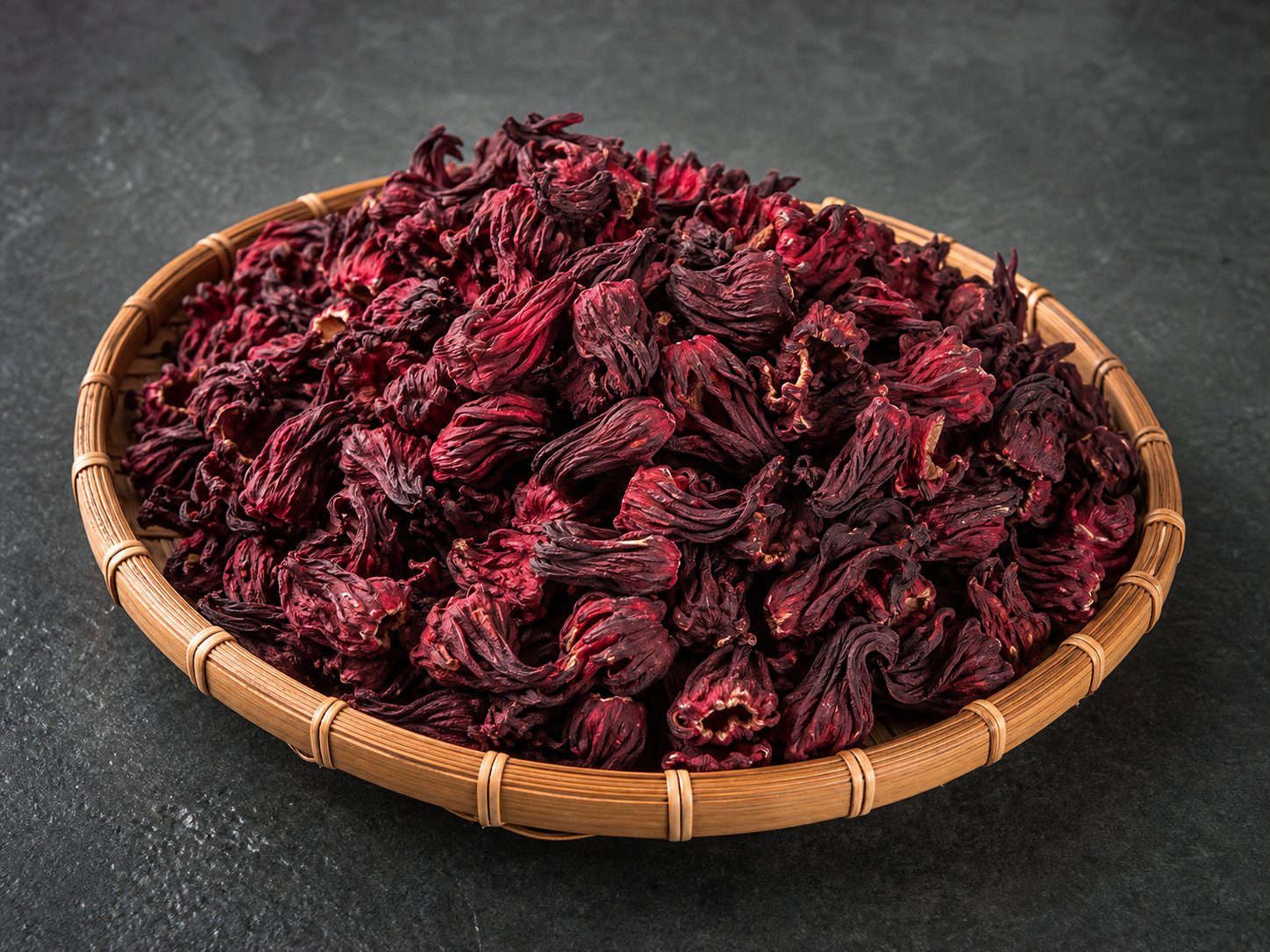
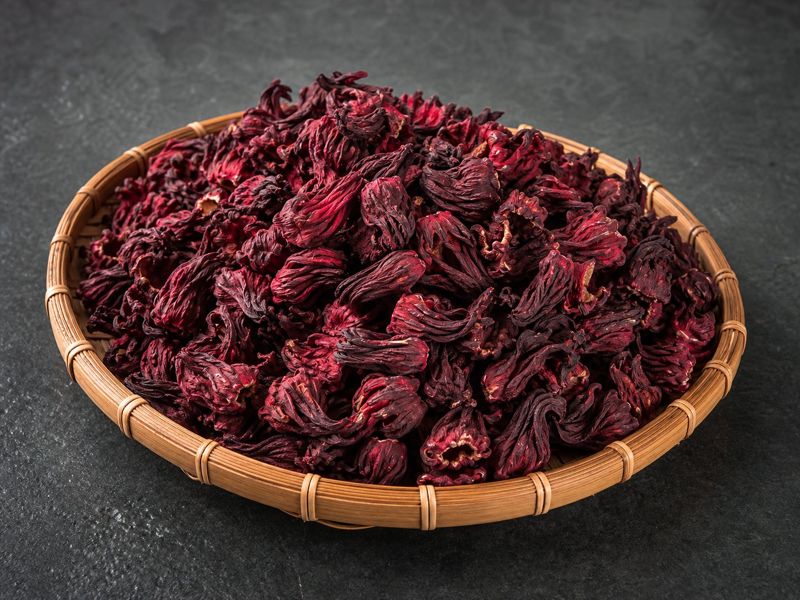
Grade A whole dried Nigerian hibiscus flowers, deep red and free of stems, in a woven basket Beverage Grade
Sifted whole calyces, deep red, Jigawa / Kano type

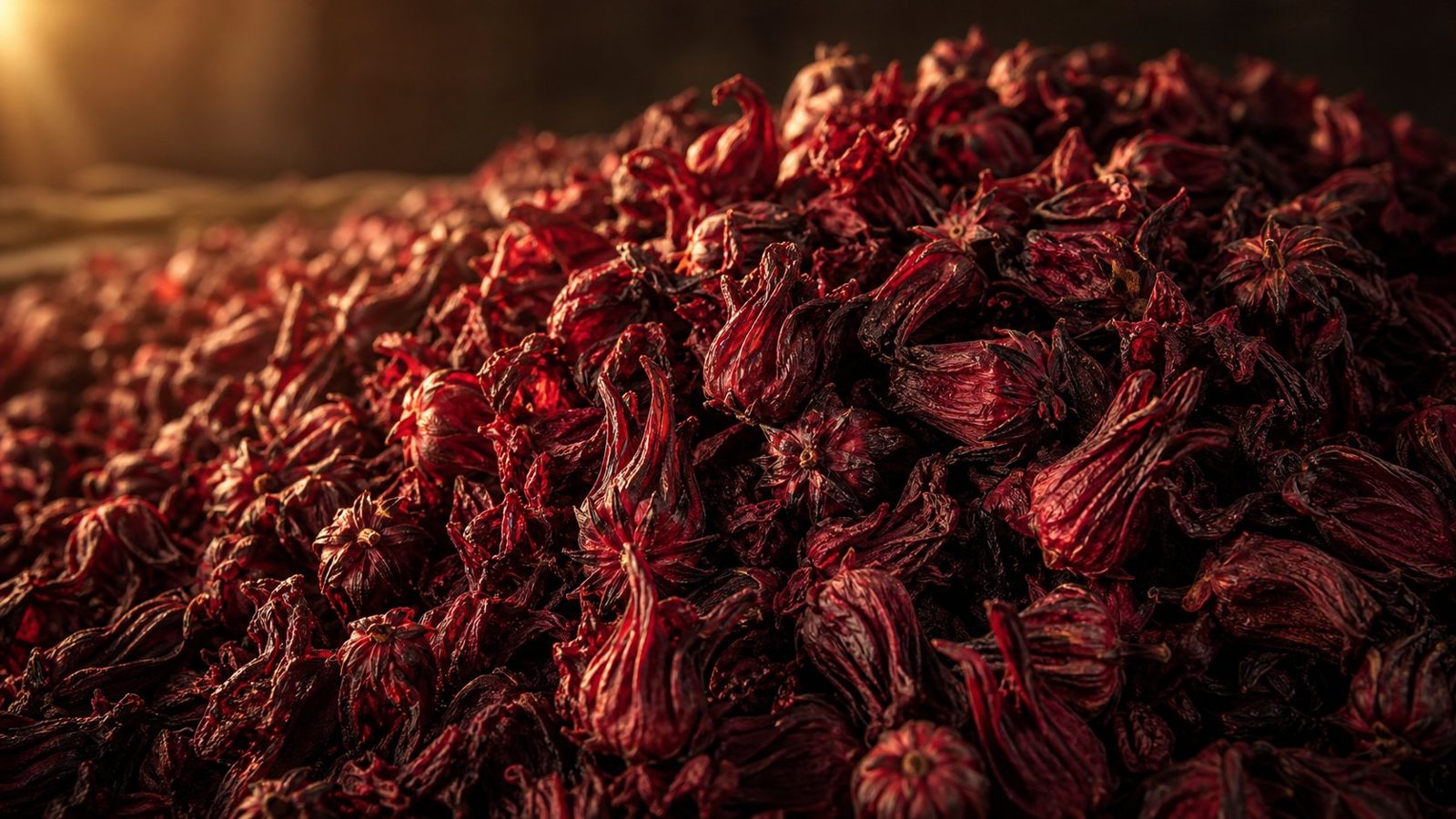
Grade A Dried Hibiscus Flowers

Our flagship export: whole, sun-dried Hibiscus sabdariffa calyces from northern Nigeria, machine-sifted and hand-picked to remove seeds, stems and dust, with the deep red colour and sharp tartness that tea blenders and agua de jamaica producers look for.

  • Whole sifted calyces, deep red to burgundy
  • Low moisture, clean cup with bright acidity
  • Seeds, stems, sand and dust removed
  • NAQS phytosanitary + lab certificate per shipment
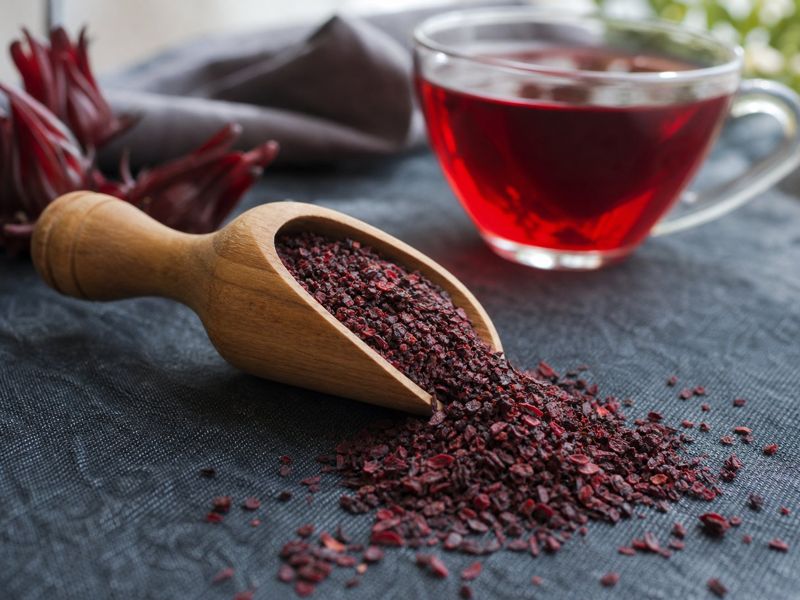
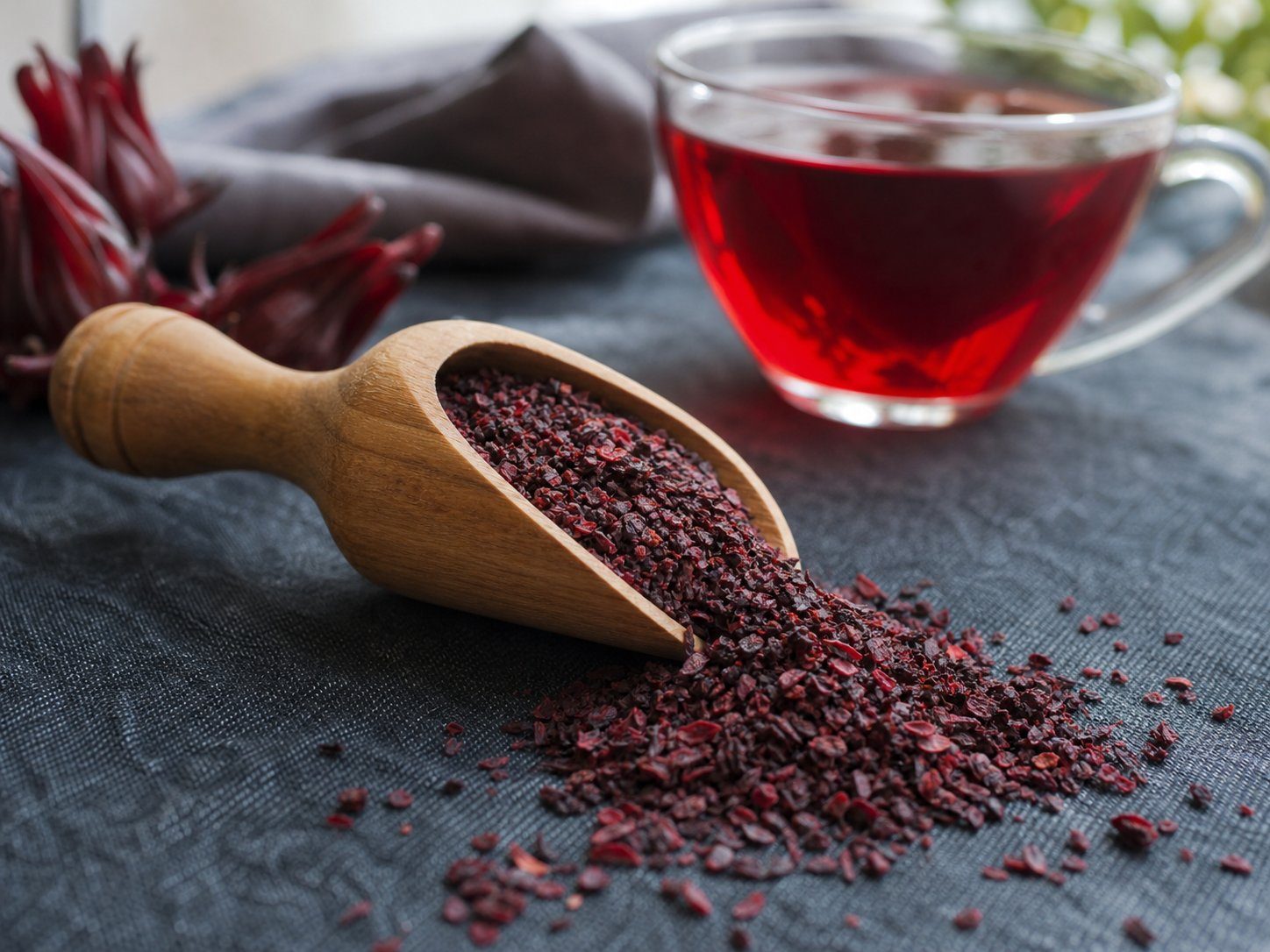
Tea-bag cut dried hibiscus flakes in a wooden scoop with a cup of red hibiscus tea behind Tea Industry
Uniform 1–4 mm cut for tea bags, sachets and blends

Tea-Bag Cut Hibiscus (TBC)

Grade A calyces cut and screened to a uniform tea-bag size (typically 1–4 mm, or to your sieve specification), de-dusted and ready for tea-bagging machines and herbal blends without further processing at destination.

  • Cut from Grade A sifted calyces only
  • Screened to 1–4 mm or your sieve range
  • Fines and dust removed for clean infusion
  • Consistent colour and acidity across lots
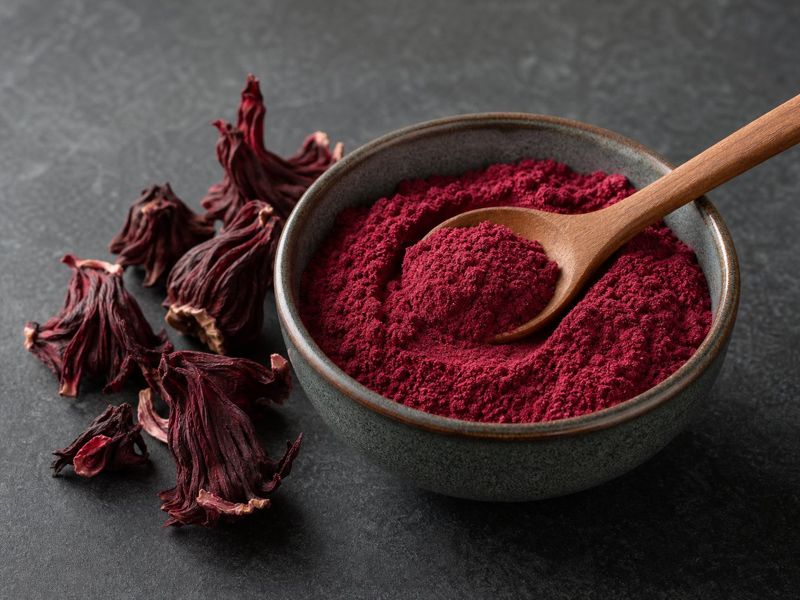
Fine deep red dried hibiscus flower powder in a ceramic bowl beside whole dried calyces Ingredient Grade
Fine ground calyx for drinks, colour and nutraceuticals

Hibiscus Flower Powder

Clean Grade A calyces milled to a fine, free-flowing powder for instant beverage mixes, natural food colouring, bakery and confectionery, smoothie and supplement formulations.

  • Milled from sifted Grade A calyces
  • Mesh size to your specification
  • Vivid natural red-magenta colour
  • Packed in lined bags to protect colour and moisture
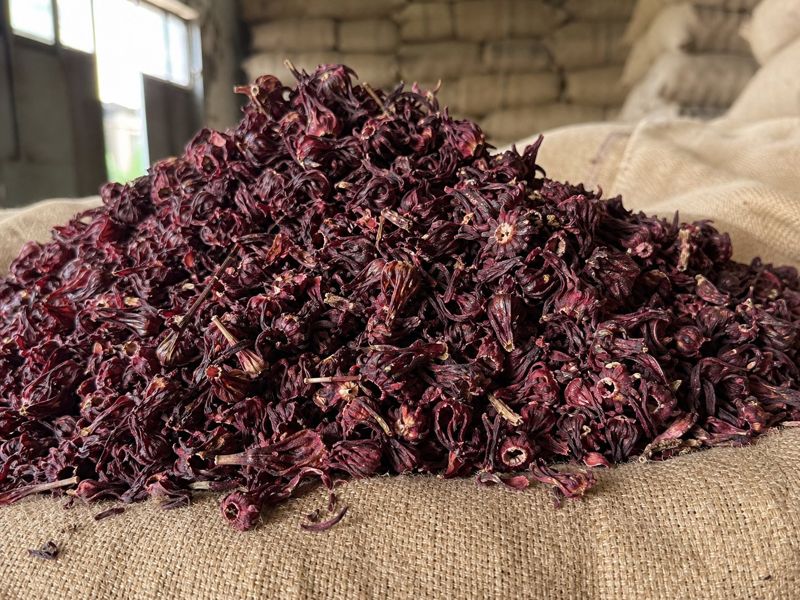
Grade B dried hibiscus calyces, mixed sizes with some broken pieces, heaped on a jute sack Extraction Grade
Unsifted and broken calyces for extraction and colouring

Grade B Industrial Hibiscus

A cost-effective grade of dried hibiscus for buyers who process rather than present the flower: broken and mixed-size calyces, unsifted or lightly sifted, for colour and anthocyanin extraction, concentrates, syrups and animal-feed additives.

  • Broken and mixed-size calyces, same deep red colour
  • Unsifted or lightly sifted to your tolerance
  • Lower price per tonne for extraction use
  • Lab-tested and NAQS-inspected like all our grades
Why Choose Renamy

What International Buyers Get From Us

Nigeria is the world's largest source of dried hibiscus. The difference between a good shipment and a rejected container is in how the calyx is dried, sifted, fumigated, tested and documented.

Right Flower, Right Region

Deep red, strongly acidic calyces from Jigawa, Kano, Katsina, Bauchi and Borno — the growing belt that defines the international "Nigerian hibiscus" standard.

Sifting Discipline

Vibrating screens, aspiration and hand-picking bring flowers to the cleanliness in your contract — seeds, stems, sand and dust out, whole red calyces in.

Moisture & Food Safety

Calyces re-dried to 10–12% moisture and tested by an accredited laboratory for microbiology, pesticide residues and heavy metals to your market's limits.

Packed for the Voyage

New 20–25 kg PP bags or 50 kg compressed bales, food-grade liners for premium grades, kraft-lined and fumigated containers — loaded to make the most of a 40' high-cube.

Documentation Done Properly

NAQS phytosanitary certificate, fumigation certificate, laboratory analysis, certificate of origin, NXP and bank documents prepared and shared for approval before sailing — including Mexico protocol declarations.

One Accountable Team

A single point of contact who knows your contract, your specification and your schedule — with loading photographs and status updates at every stage.

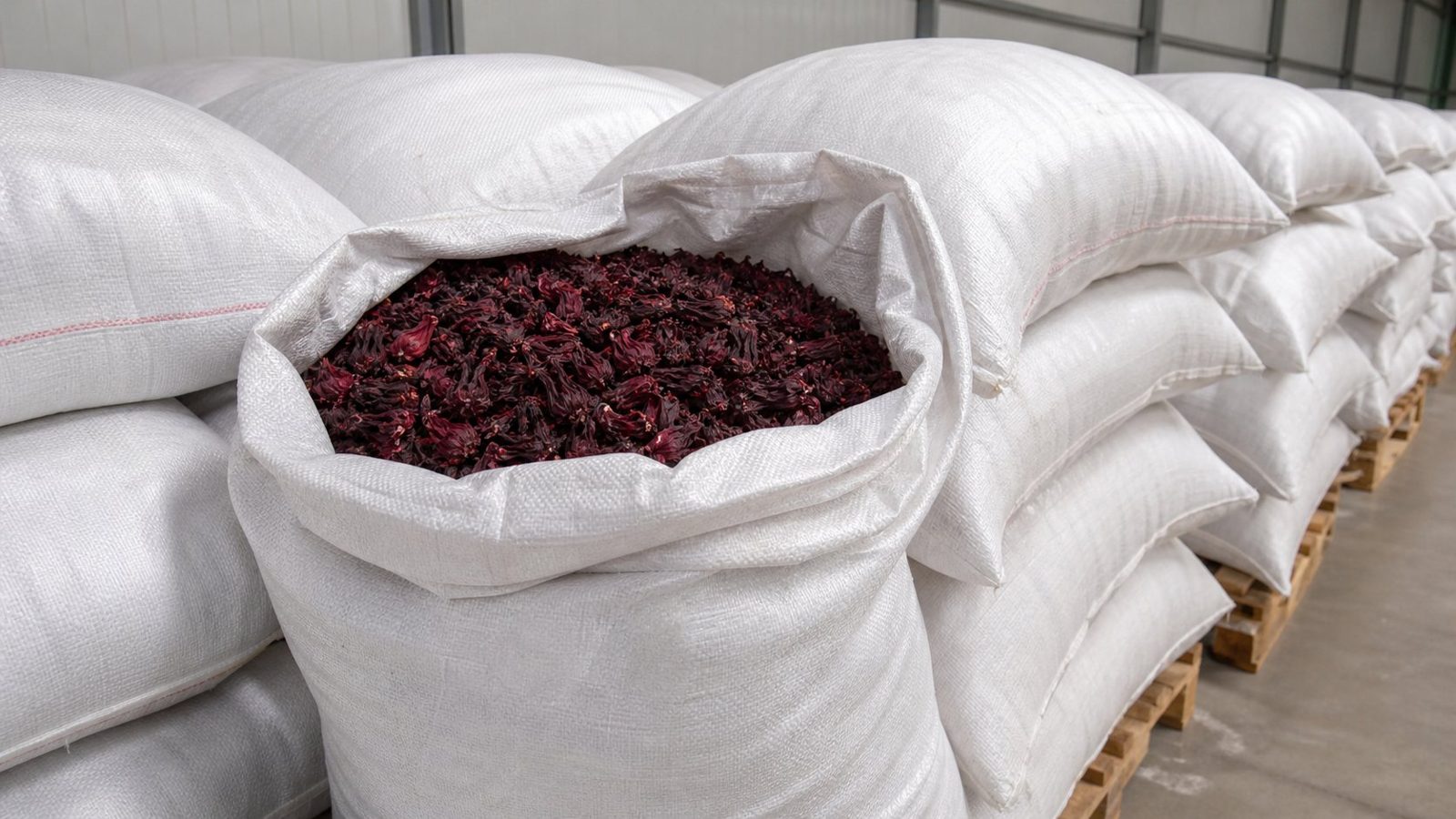
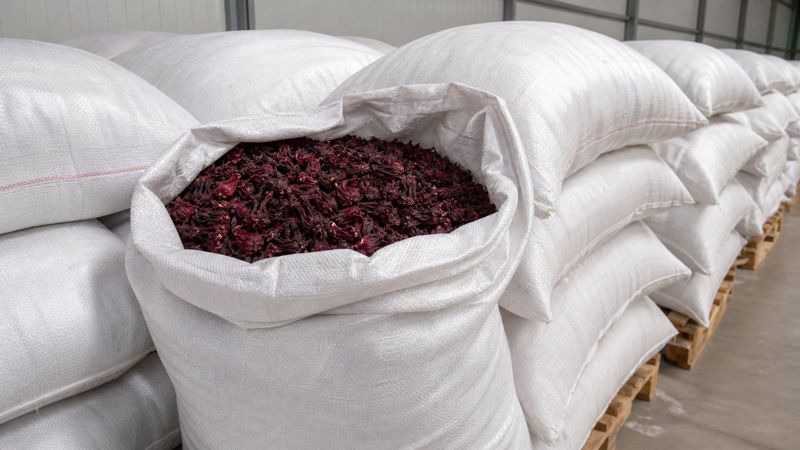
New PP bags of dried hibiscus flowers stacked on pallets in an export warehouse Close-up of tea-bag cut hibiscus flakes
Quality & Packaging

Sifted at the Warehouse. Packed for the Journey.

Hibiscus quality is decided on the drying mat and the sifting table. We check what matters at each stage and pack to protect colour and dryness through weeks at sea.

Quality checkpoints

  • Farmer-group selection & drying practice
  • Intake moisture, colour & admixture check
  • Screening, aspiration & hand-picking
  • Laboratory analysis per lot
  • NAQS inspection, fumigation & third-party inspection

Packaging options

  • New PP woven bags, 20 or 25 kg net
  • Compressed 50 kg bales for Grade B
  • Food-grade PE inner liners (TBC & powder)
  • Kraft-paper lined, fumigated containers
  • Printed bags with your marks on request
How It Works

Our Export Process at a Glance

A clear, repeatable sequence from your first enquiry to a sealed container leaving Lagos.

1

Enquiry & Quotation

Share grade, specification, tonnage, packing and destination. Receive a written FOB/CIF offer.

2

Samples & Contract

Test our samples in your lab, agree specification and terms, confirm with pro-forma invoice.

3

Sourcing & Sifting

Calyces aggregated, re-dried, sifted and hand-picked to cleanliness, sampled for the laboratory and bagged.

4

Testing & Documents

Lab certificate, NAQS phytosanitary inspection, supervised fumigation, optional third-party inspection.

5

Loading & Shipment

Lined container stuffed, photographed, sealed and shipped; documents released.

Global Reach

Where Nigerian Hibiscus Goes

From Lagos, Nigerian hibiscus reaches Europe in two to four weeks, the US Gulf and Mexico in four to six, and Asian and Middle Eastern buyers on regular sailings.

Mexico

The world's largest hibiscus importer — agua de jamaica producers, beverage companies and distributors buying Grade A under the SENASICA–NAQS protocol.

United States

Tea brands, beverage manufacturers, natural-colour and supplement companies importing under FDA and FSVP rules.

Europe

Germany, Spain, Italy, the Netherlands, France and the UK — herbal-tea blenders and ingredient houses requiring full food-safety compliance.

Middle East & Asia

Egypt, Saudi Arabia, the UAE, Thailand, India and China — karkade producers, extractors and traders re-exporting processed hibiscus.

Ports of LoadingApapa & Tin Can Island, Lagos
Container Sizes40' HC — bagged whole flowers (10–12 t) · bales / powder up to 20 t
IncotermsFOB · CFR · CIF · FCA
Shipping LinesMajor carriers via our forwarding partners
Industry Insights

Knowledge for Hibiscus Importers

FAQ

Questions Buyers Ask Before Their First Container

Straight answers on grades, specifications, quantities, pricing, testing, the Mexico protocol and paperwork. Need something specific? Our export team replies within one business day.

All FAQs

We export Nigerian Hibiscus sabdariffa (roselle, also called zobo or flor de jamaica) in four formats: Grade A sifted whole calyces for tea and beverage use; tea-bag cut (TBC) hibiscus screened to 1–4 mm or your sieve range; hibiscus flower powder milled to specification; and Grade B industrial hibiscus (unsifted or broken calyces) for extraction, concentrates and colouring. All are dried to export moisture, laboratory-tested and inspected by the Nigeria Agricultural Quarantine Service (NAQS).

Typical contract specifications for Nigerian hibiscus are moisture 10–12% max, admixture (stems, seeds, sand, dust) 1–2% max for Grade A, deep red to burgundy colour, no live insects and no visible mould, with total ash, acid-insoluble ash, microbiology, pesticide-residue and heavy-metal limits set to the destination market. We agree exact figures in writing per contract and confirm them by laboratory analysis before shipment. [Confirm the specification you can guarantee for each grade.]

Our standard minimum is one full 40' high-cube container, approximately 10–12 tonnes of Grade A whole flowers in 25 kg bags (hibiscus is light, so containers fill by volume long before weight). A 20' container carries roughly 5 tonnes. [Confirm your MOQ — e.g. 1 × 40' HC / 10 MT] Smaller sample lots are available by courier for evaluation.

Hibiscus prices are driven by the size of the Nigerian crop, demand from Mexico, the USA and Europe, grade, cleanliness and the time of year — they are typically lowest at the new-crop peak from November to January and rise as stocks tighten towards the next harvest. Prices are quoted in USD per metric tonne FOB Lagos or CFR/CIF your port for a stated grade. We do not publish a list price because it moves week to week; request a quotation and you will receive a written offer within two business days.

Dried hibiscus is bulky and light. A 40' high-cube container typically takes 10–12 tonnes of whole Grade A flowers in 25 kg PP bags, 11–14 tonnes of compressed Grade B bales, 12–14 tonnes of tea-bag cut and 18–20 tonnes of powder. A 20' container carries about 5 tonnes of whole flowers and is rarely economical. Exact bag count and tonnage are confirmed on the pro-forma invoice.

Roselle is planted with the rains between May and July in the northern states and harvested from around October to December, with drying and aggregation running into January. New-crop exports begin in November and run strongly through to April; stocks remain available from warehouses year-round but become tighter and more expensive from about May until the next harvest.

Let's Talk Business

Ready to Source Export-Grade Dried Hibiscus from Nigeria?

Tell us your grade, tonnage, packing and destination port. Our export team will prepare a detailed FOB or CIF quotation and a sample plan.

Chat on WhatsApp